Calling · 8 min read
How Spiritual Gifts, Life Experience, and Calling Come Together
A whole-life guide to discerning how spiritual gifts, knowledge, experiences, relationships, healing, work, and future direction may converge in service.
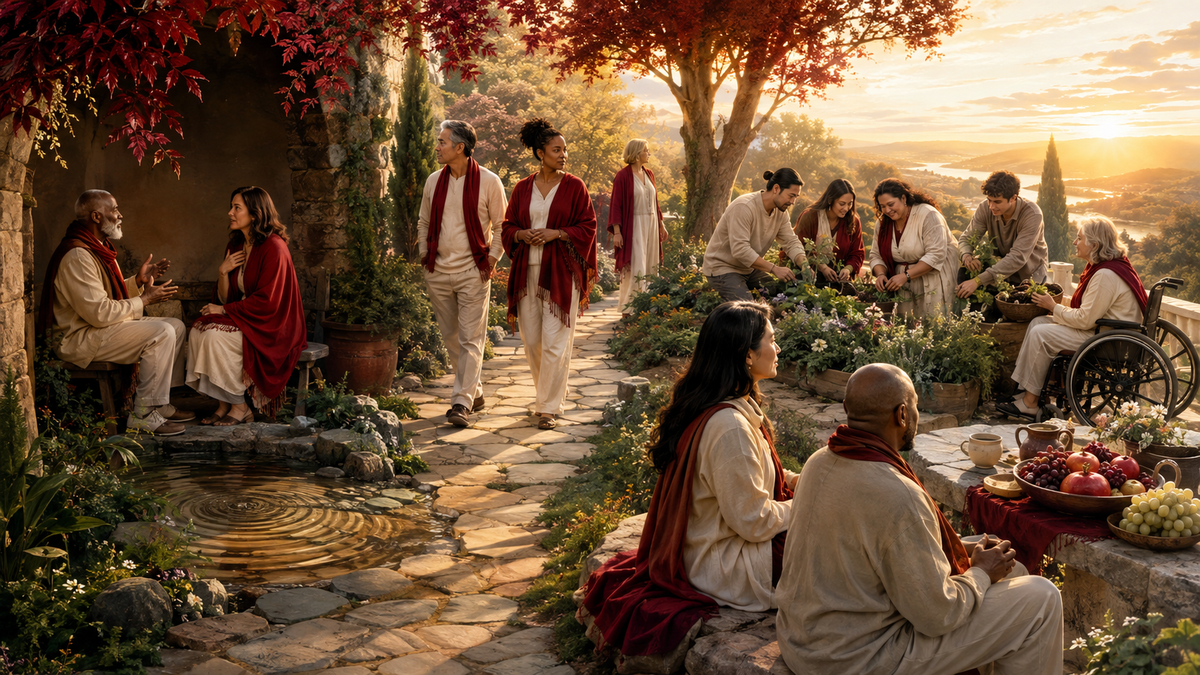 By Dr. Sherry-Ann Brown · Updated August 25, 2026
Quick answer
In brief
Calling becomes clearer when spiritual gifts are considered with character, knowledge, life experience, healing, relationships, opportunity, and real needs. A gift may describe capacity; calling also concerns people, place, timing, and responsibility.
Begin with the whole person
Gifts do not stand apart from identity, knowledge, experience, healing, relationships, work, and future direction. Calling often emerges where these streams meet a real need.
Gather repeated evidence
Look for patterns across time: healthy fruit, needs you notice, abilities others affirm, burdens you can carry, and opportunities that fit your responsibilities.
Distinguish capacity from assignment
A genuine capacity is not an assignment to every opportunity. Place, season, consent, preparation, and accountability help define a particular responsibility.
Practice before naming
A supervised, time-bound experiment can reveal more than a premature title. Serve, request feedback, notice impact, and examine what the work requires.
Steward the convergence
Develop skills, protect rest, honor boundaries, share credit, and remain teachable. Sustainable calling keeps service, rather than significance, at the center.
Frequently asked questions
Questions people ask
Is a gifts assessment a calling test?
No. It can organize reflection, but calling requires broader discernment, confirmation, opportunity, and practice.
Can calling change across life seasons?
Assignments and expressions can change while deeper patterns of grace and responsibility continue to mature.
What if I do not know my gift?
Begin with available service, honest feedback, and careful observation of fruit. Clarity often develops through practice.