Convergence Gifts · 20 min read
How to Build a Balanced Christian Ministry Team Around Spiritual Gifts
A practical guide to forming Christian teams that combine spiritual gifts, skills, lived experience, shared responsibility, safeguarding, and sustainable service.
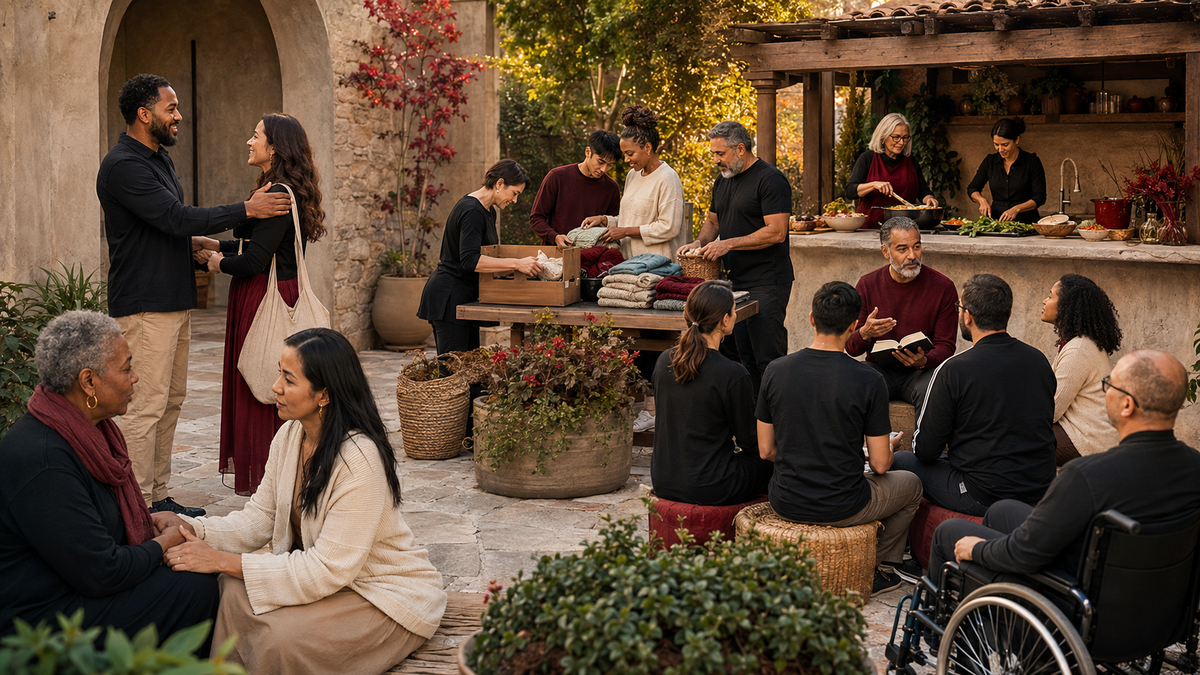
Begin with the need and the people served
Describe the community need through listening, local knowledge, consent, and factual information. Ask affected people what flourishing would look like and how they want to participate. A clear need helps leaders identify the forms of service, knowledge, relationships, and responsibility the team requires.
Map functions before selecting people
List the functions required for faithful service: listening, prayer, planning, teaching, welcome, logistics, care, communication, finance, follow-up, evaluation, referral, and succession. This functional map widens attention beyond visible platform roles and honors the work that sustains the whole response.
Gather complementary gift expressions
Administration may order resources. Mercy may perceive suffering. Teaching may create understanding. Hospitality may cultivate belonging. Discernment may surface spiritual and relational dynamics. Leadership may mobilize responsibility. Service may carry practical work. A team can hold several expressions within each person and across the whole group.
Include skills, experience, and context
Gift hypotheses belong beside professional competence, cultural knowledge, lived experience, accessibility, availability, relationships, training, and local credibility. A balanced team values spiritual grace and the practical wisdom needed to serve people well.
Protect capacity
Estimate time, emotional demand, travel, preparation, administration, and follow-up. Distribute invisible labor and establish rest, rotation, backup, and release. Sustainable teams name capacity before strain becomes withdrawal or resentment.
Practice before higher-consequence service
Use scenarios, role rotation, and bounded rehearsals. Let team members practice consent, handoffs, referral, documentation, feedback, disagreement, and repair. Simulation reveals gaps while the cost of learning remains low.
Review the team as a living constellation
After service, examine fruit, participant experience, collaboration, overlooked voices, capacity, and stewardship. Adjust roles as evidence develops. A balanced team remains responsive to people, place, season, and the grace God is revealing among its members.